Pond Weed Removal
Professional Pond Weed Removal Services in East Texas
Aquatic weeds are one of the most common problems pond owners face. What begins as a small patch of vegetation can quickly spread across the water’s surface, choking out open water, disrupting fish habitat, and making the pond difficult to use or enjoy. Many East Texas ponds eventually become overwhelmed by aggressive aquatic plants like duckweed, cattails, hydrilla, and other invasive species that grow rapidly in warm, nutrient-rich water.
Arrowhead Pond Restoration provides professional pond weed removal services designed to eliminate excessive vegetation and restore healthy water conditions. Instead of relying on temporary solutions that allow weeds to return quickly, our approach focuses on removing the source of the problem and restoring balance to the pond ecosystem.
For landowners across East Texas, managing aquatic vegetation is essential to maintaining a functional and attractive pond. Whether the pond is used for fishing, livestock, wildlife, or recreation, controlling invasive weeds ensures the water remains accessible, healthy, and easy to maintain.
Why Pond Weeds Become a Serious Problem
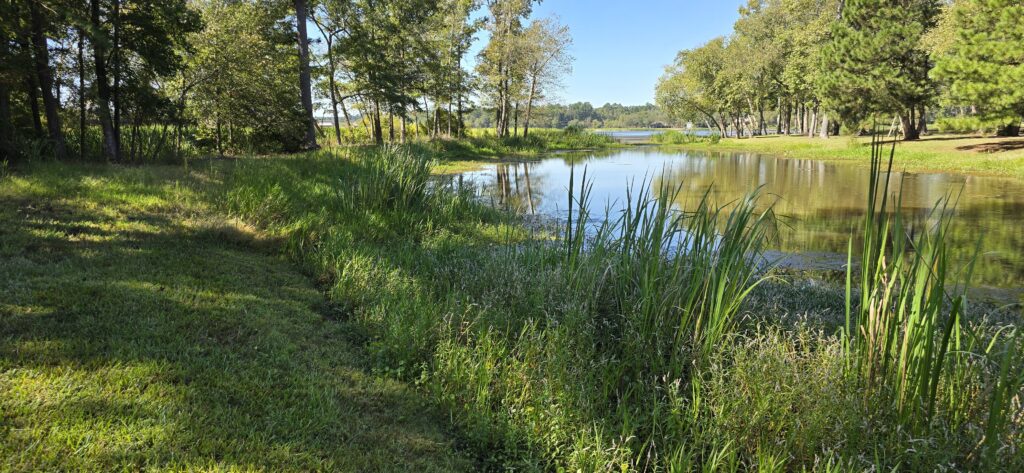
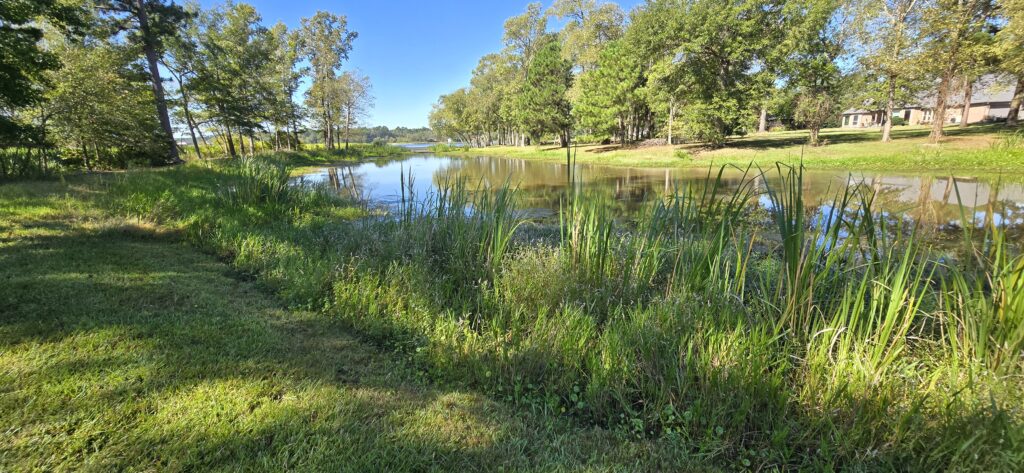
Aquatic vegetation plays a natural role in every pond ecosystem, but when plant growth becomes excessive, it can cause significant problems for water quality and pond usability. Many pond owners notice weeds gradually spreading year after year until they cover large portions of the water.
One of the primary causes of excessive weed growth is nutrient buildup in the pond. Runoff from surrounding soil, organic debris, and decomposing plant matter introduces nutrients that feed aquatic vegetation. As these nutrients accumulate, plant growth accelerates.
Shallow water conditions also contribute to weed problems. As sediment slowly fills in the pond over time, sunlight can reach more of the pond floor, allowing vegetation to spread more easily across the bottom. Warm East Texas temperatures and long growing seasons further encourage aggressive aquatic plant growth. Without proper management, weeds can quickly dominate the pond’s surface and shoreline.
Excessive aquatic vegetation creates several problems for pond owners. Thick mats of weeds limit open water for fishing, swimming, and wildlife. Dense vegetation can also trap sediment, accelerate pond shallowing, and reduce oxygen levels in the water as plants die and decay. Removing invasive aquatic weeds helps restore open water and prevents long-term damage to the pond ecosystem.
Mechanical Weed Removal for Long-Term Results
Many pond owners attempt to control weeds using chemical treatments alone. While herbicides can sometimes provide short-term relief, they often leave large amounts of dead vegetation in the water. As the plants decay, they sink to the bottom and contribute to sediment buildup, which can actually make weed problems worse over time.
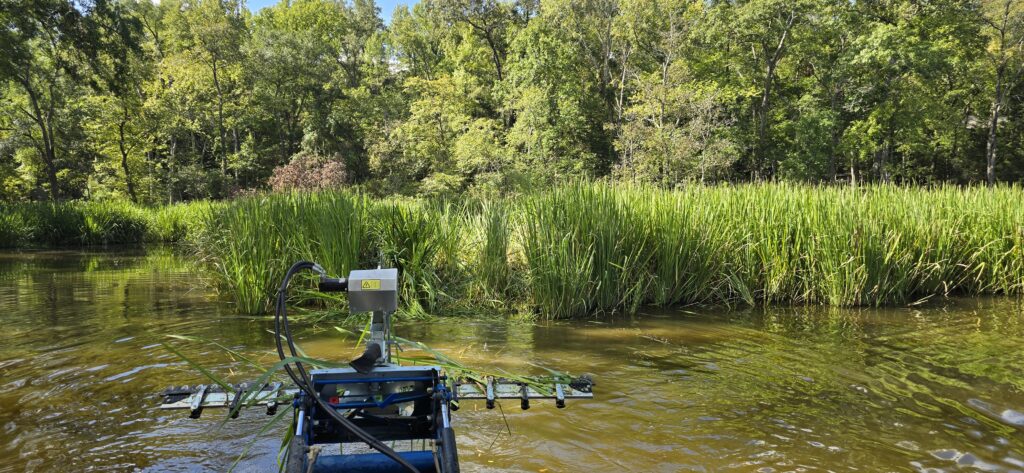
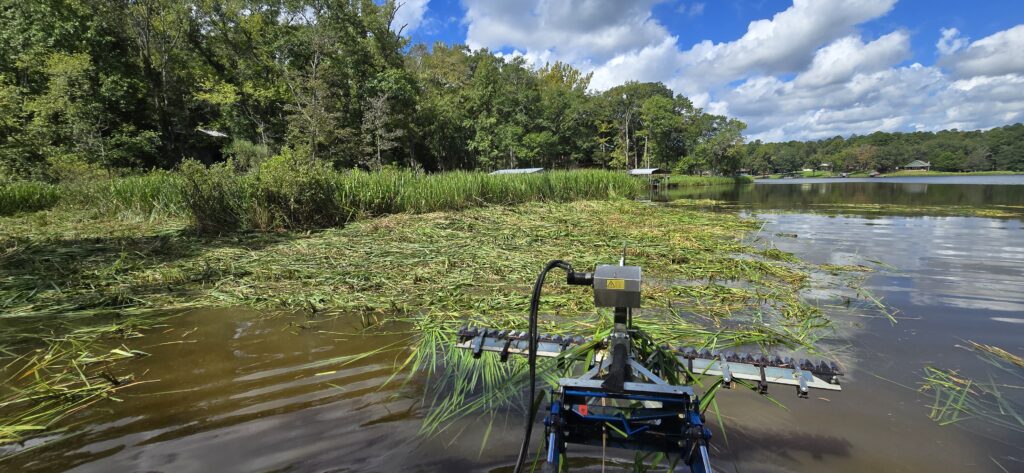
Arrowhead Pond Restoration focuses on mechanical weed removal, which physically removes vegetation from the pond instead of leaving it to decompose. This process eliminates the plant mass from the water entirely, helping reduce nutrient buildup and preventing future growth.
Mechanical removal is especially effective for dense aquatic vegetation that has taken over large portions of the pond. By removing the plant material directly, we restore open water areas quickly while improving overall water quality. This approach also allows the pond ecosystem to recover naturally, creating a healthier environment for fish and wildlife.
Removing Common Aquatic Weeds in East Texas
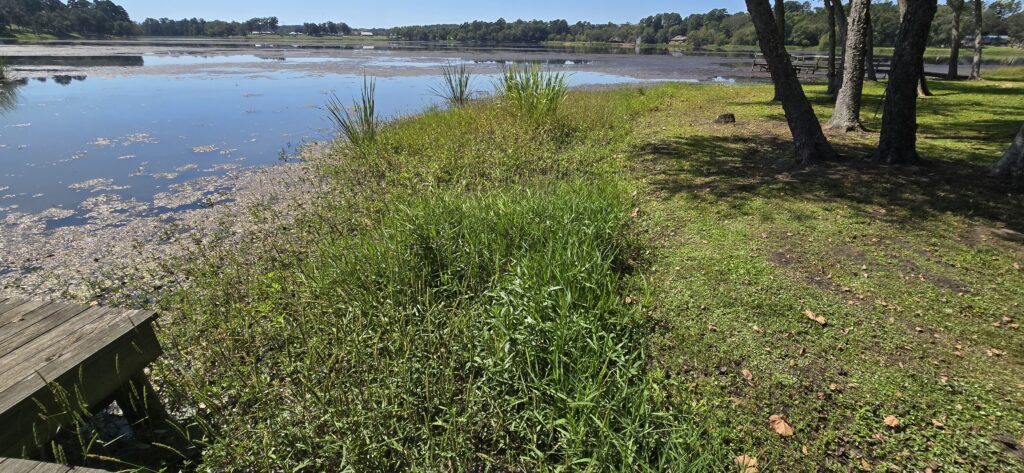
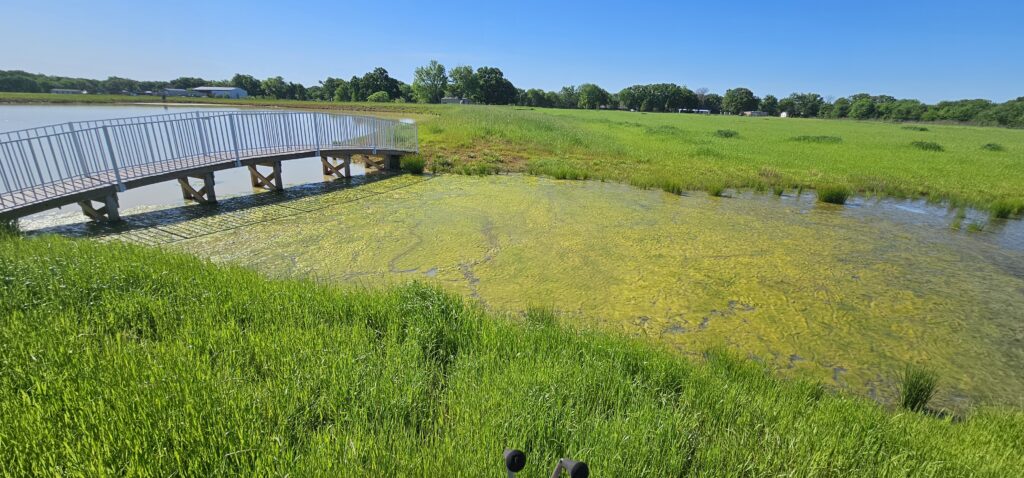
Ponds throughout East Texas commonly experience invasive plant species that spread quickly and are difficult to control without professional equipment. Duckweed is one of the most recognizable pond weeds. This tiny floating plant forms thick green mats that can cover the entire water surface. While it may appear harmless at first, dense duckweed growth blocks sunlight and reduces oxygen levels in the water.
Hydrilla and other submerged plants can grow rapidly beneath the water’s surface. These plants often form thick underwater beds that interfere with fishing and restrict water movement.
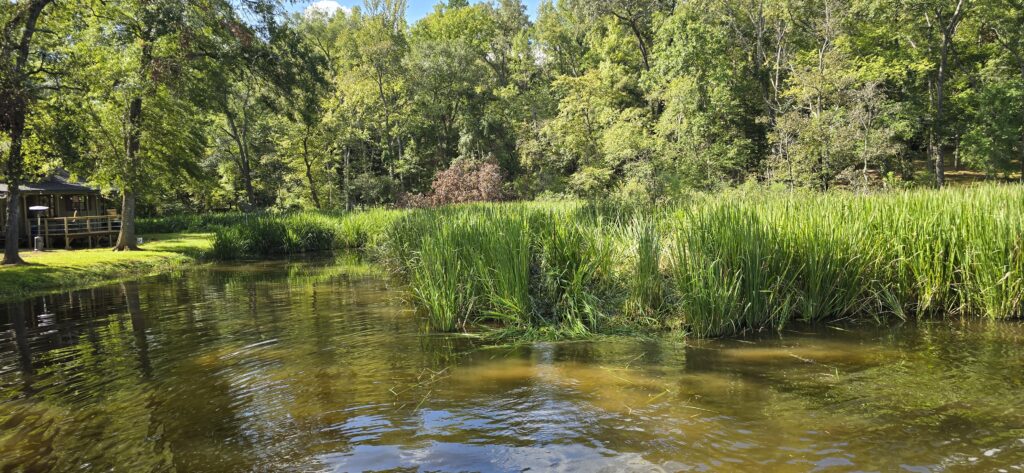
Cattails and shoreline vegetation also become problematic when left unmanaged. While a small number of cattails can provide wildlife habitat, large stands can quickly overtake the shoreline and spread into shallow areas of the pond. Professional weed removal targets these invasive species while preserving the overall health of the pond ecosystem.
Restoring Open Water and Pond Accessibility
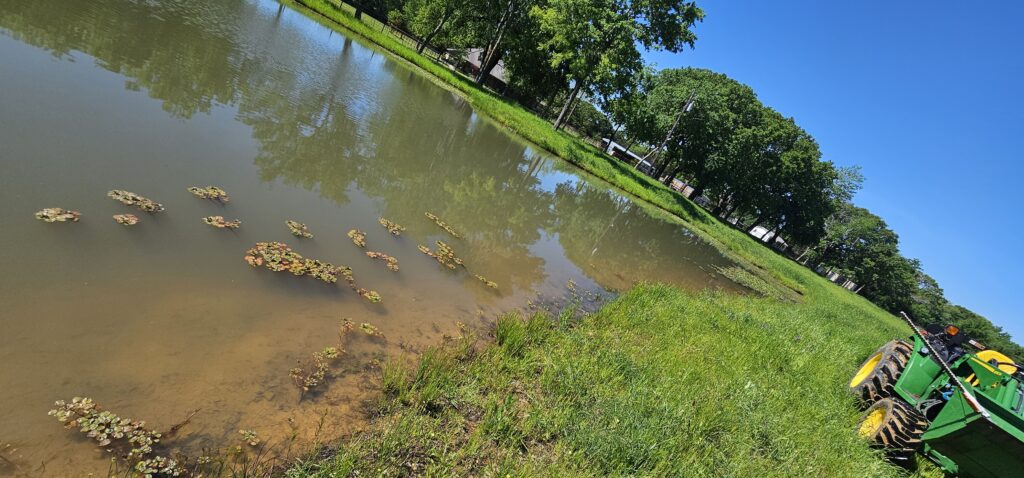
One of the biggest frustrations pond owners experience when weeds take over is losing access to the water. Fishing becomes difficult, docks and boat launches become blocked, and the pond begins to look neglected.
Removing excessive aquatic vegetation restores open water areas and improves access to the shoreline. Clear water surfaces allow anglers to fish more effectively and make the pond more enjoyable for recreation.
Weed removal also improves the appearance of the property. An overgrown pond often gives the impression that the water body is unhealthy or poorly maintained. Restoring open water creates a clean, natural look that enhances the overall landscape. For property owners who rely on ponds for livestock or irrigation, weed removal also ensures that water remains accessible and functional.
Protecting Water Quality Through Vegetation Control
When aquatic weeds grow unchecked, they eventually die and decompose in the water. This process consumes oxygen and releases nutrients that feed the next generation of plant growth. Over time, this cycle leads to declining water quality, increased sediment accumulation, and more aggressive weed infestations.
Professional weed removal interrupts this cycle by physically removing vegetation from the pond before it decomposes. This helps reduce nutrient buildup and slows the rate at which sediment accumulates. Maintaining balanced vegetation levels supports healthier oxygen levels, clearer water, and better conditions for fish populations.
Preventing Future Weed Infestations
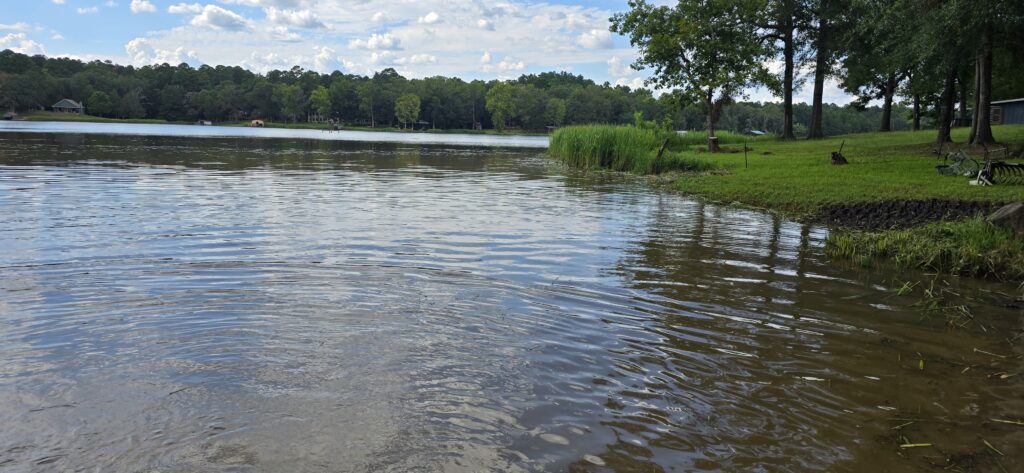
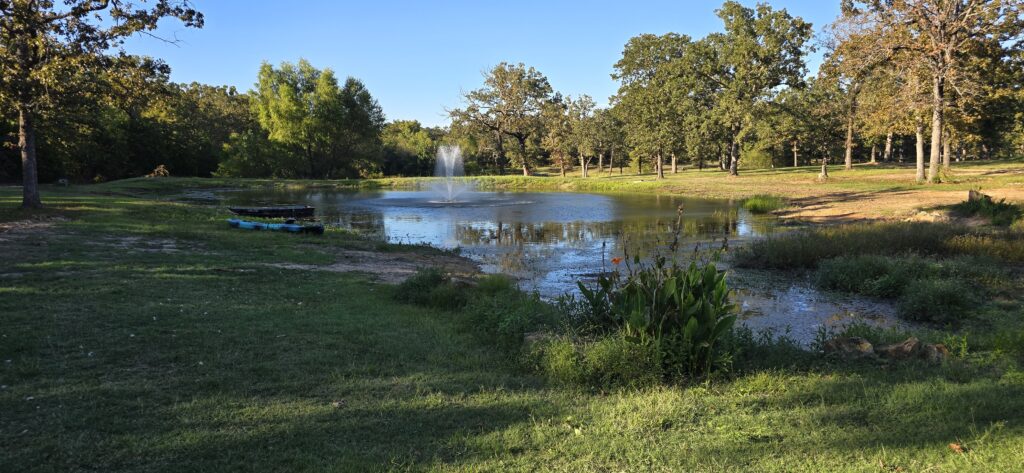
Once aquatic vegetation has been removed, ongoing maintenance is important to prevent weeds from taking over again. Addressing small patches of growth early is far easier than dealing with a large infestation later. Regular pond maintenance, shoreline management, and occasional vegetation removal help keep aquatic weeds under control.
By monitoring plant growth and maintaining proper pond depth and circulation, property owners can reduce the likelihood of major weed problems in the future. Professional pond management ensures that weeds remain manageable and that the pond continues functioning properly year after year.
Get Professional Pond Weed Removal from Arrowhead Pond Restoration
If aquatic weeds are taking over your pond, professional removal can restore open water and improve the health of your entire pond ecosystem. Arrowhead Pond Restoration provides dependable pond weed removal services for property owners throughout East Texas who need effective, long-lasting solutions for invasive vegetation.
Our equipment and experience allow us to remove dense aquatic weeds safely while protecting the overall balance of the pond. Whether your pond is covered in duckweed, overrun with hydrilla, or surrounded by thick cattails, we can help restore it to a clean and functional condition.
Contact Arrowhead Pond Restoration today to learn more about our pond weed removal services and schedule a consultation to reclaim your pond.